BPM Microsystems 2900 Programmer Teardown originally published November 21, 2024
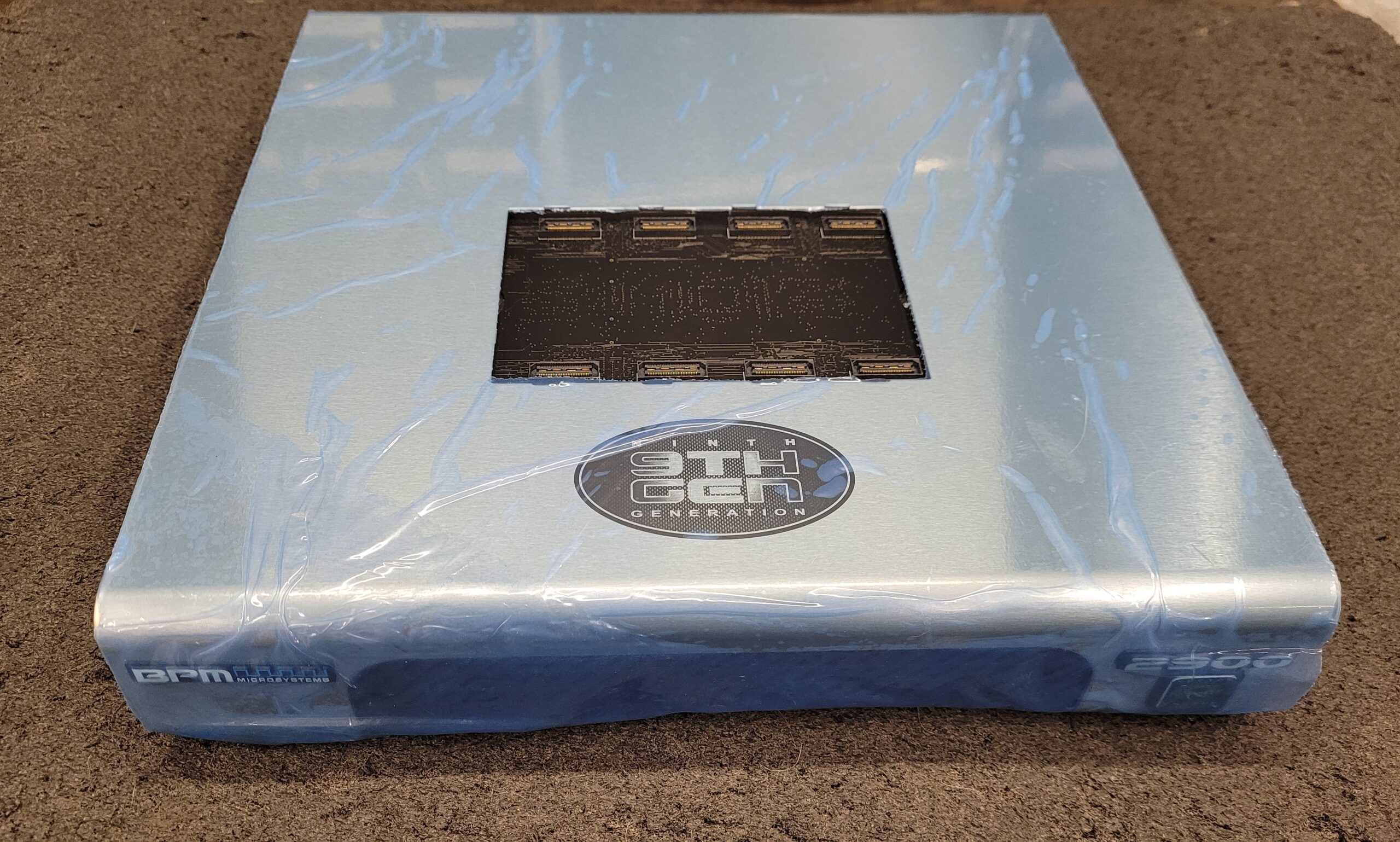
This is BPM Microssytems Latest Manual Programmer The BPM Microsytems FP2900.
These 9th-generation BPM programmers have been in service for several years, (about a decade since launch) and companies like BPM and Data I/O are known for keeping this class of hardware operational for multiple decades. The 2900 units are now increasingly appearing on the secondary market; once the exclusive domain of high-volume production facilities, large corperations, or “Mr. Money Bags,” they are finally reaching a price point accessible to small businesses and hobbyists. For those picking these up second-hand, the teardown reveals a silver lining to the use of off-the-shelf parts: the reliance on standard Altera silicon and modular PCB construction suggests a higher level of long-term repairability than a truly proprietary system would offer. While I hope that BPM Microsystems will one day release official repair manuals and schematics, the use of recognizable components gives these machines a second life in the hands of the community.
While the internal “brain” is marketed under the proprietary moniker of the Vector Engine Co-Processor a term implying a custom-silicon solution this teardown reveals the reality behind the branding. The “engine” is actually an off-the-shelf Altera Cyclone IV FPGA. In this architecture, the FPGA acts as a hardware-accelerated gate array handling the data serialization and timing required to hit the 100MB threshold. This is a common and shady industry practice where manufacturers brand their proprietary firmware or logic configuration as physical hardware, effectively masking standard silicon behind a marketing label.
The surrounding circuitry confirms this “universal” approach through a highly modular multi-board stack. The Cyclone IV communicates via high-density mezzanine connectors to secondary boards populated with Altera MAX V CPLDs. These chips serve as “middle management,” handling the level-shifting and signal routing for 240 independent pin drivers. This allows each pin to be dynamically assigned for power, ground, or high-speed logic. By peeling back the “Vector Engine” label, the design is revealed to be a robust implementation of industry-standard FPGAs and CPLDs, supported by a massive array of discrete analog components to maintain signal integrity at the programming socket.
Unboxing
Teardown:
Cover off
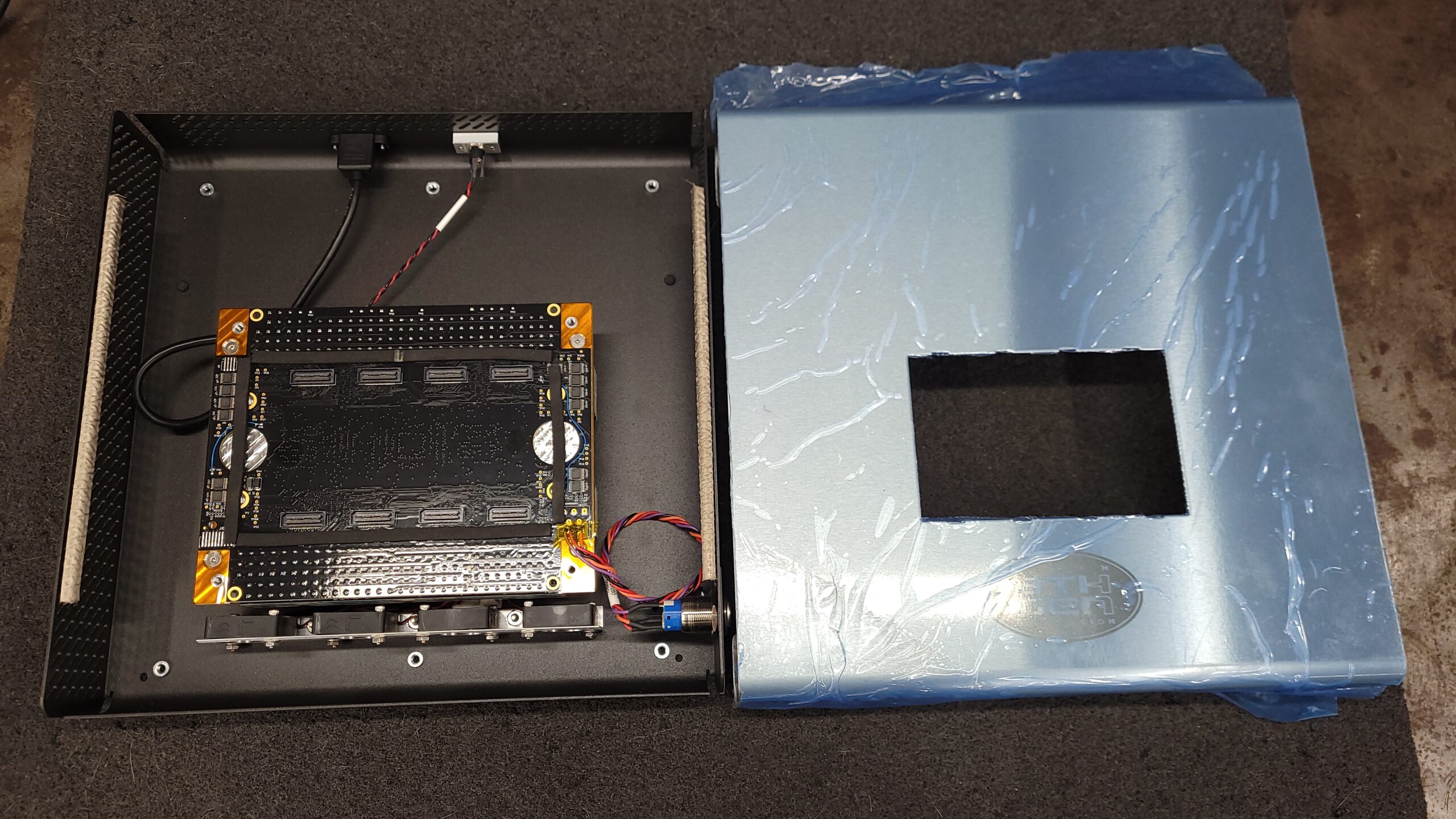
Close up of the TA Board
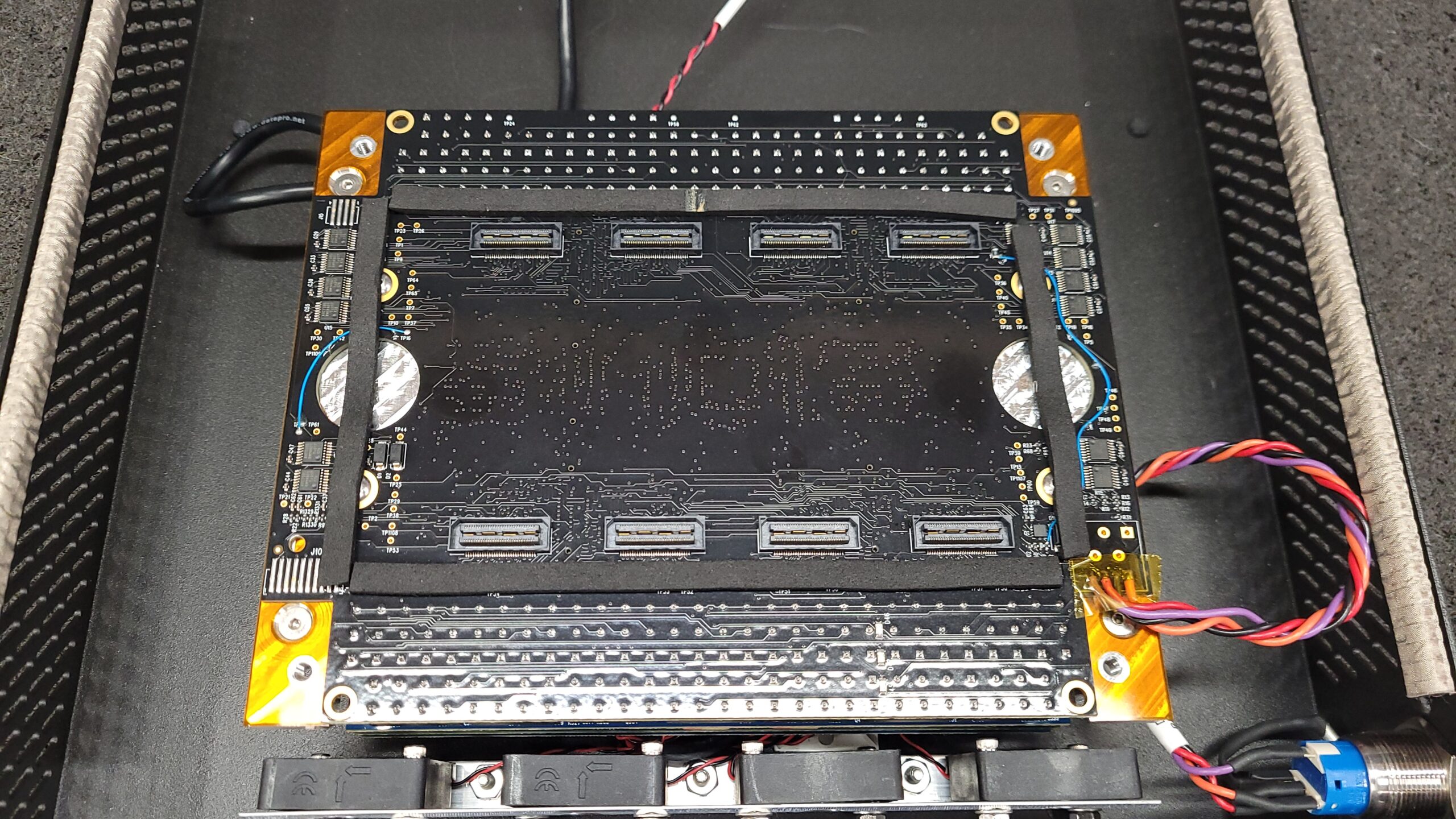
Back Side Fans.
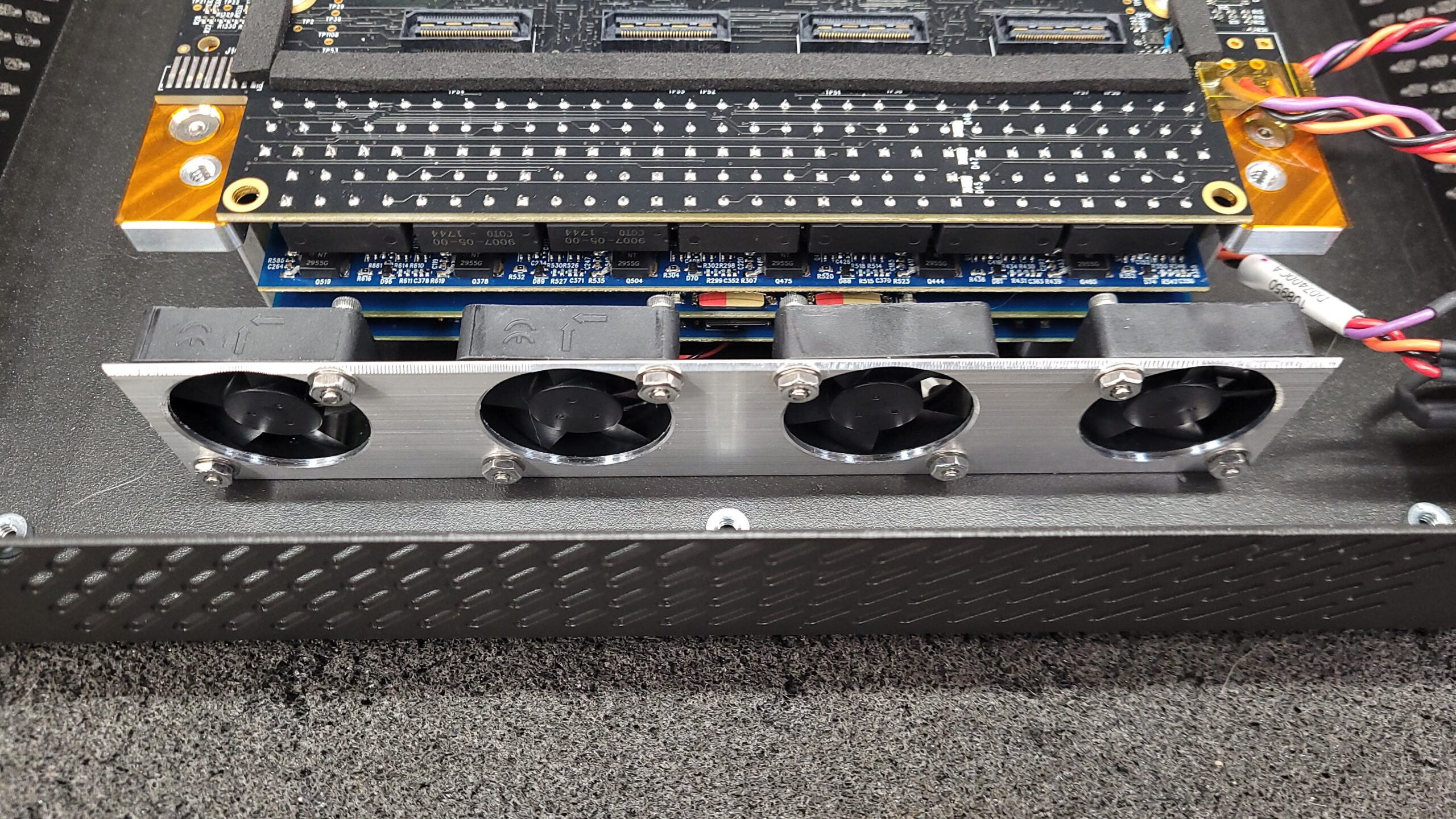
Board stack coming out of the chassis.
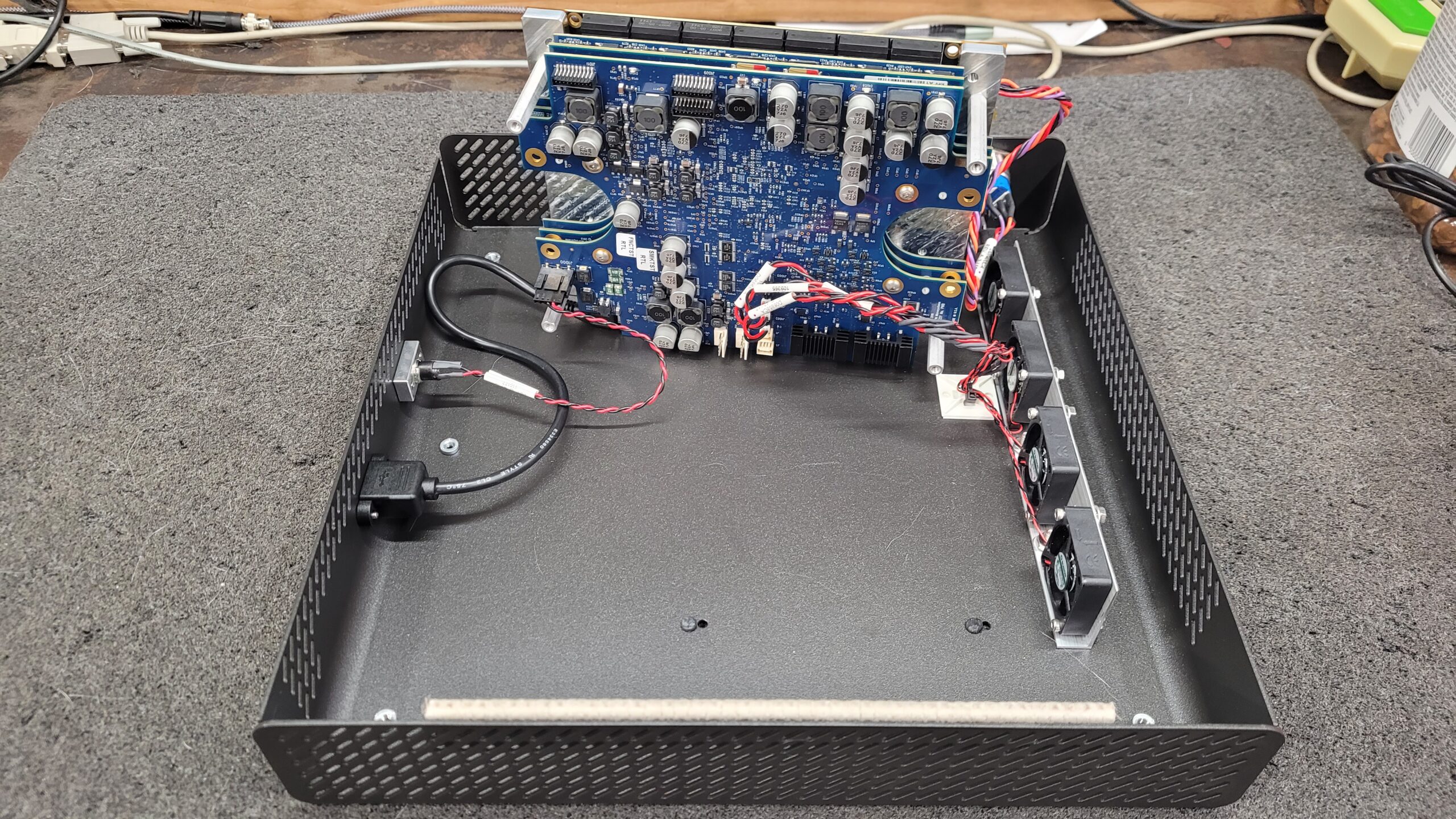
Cottie Cat is Tired of Supervising and so am I.. More later!
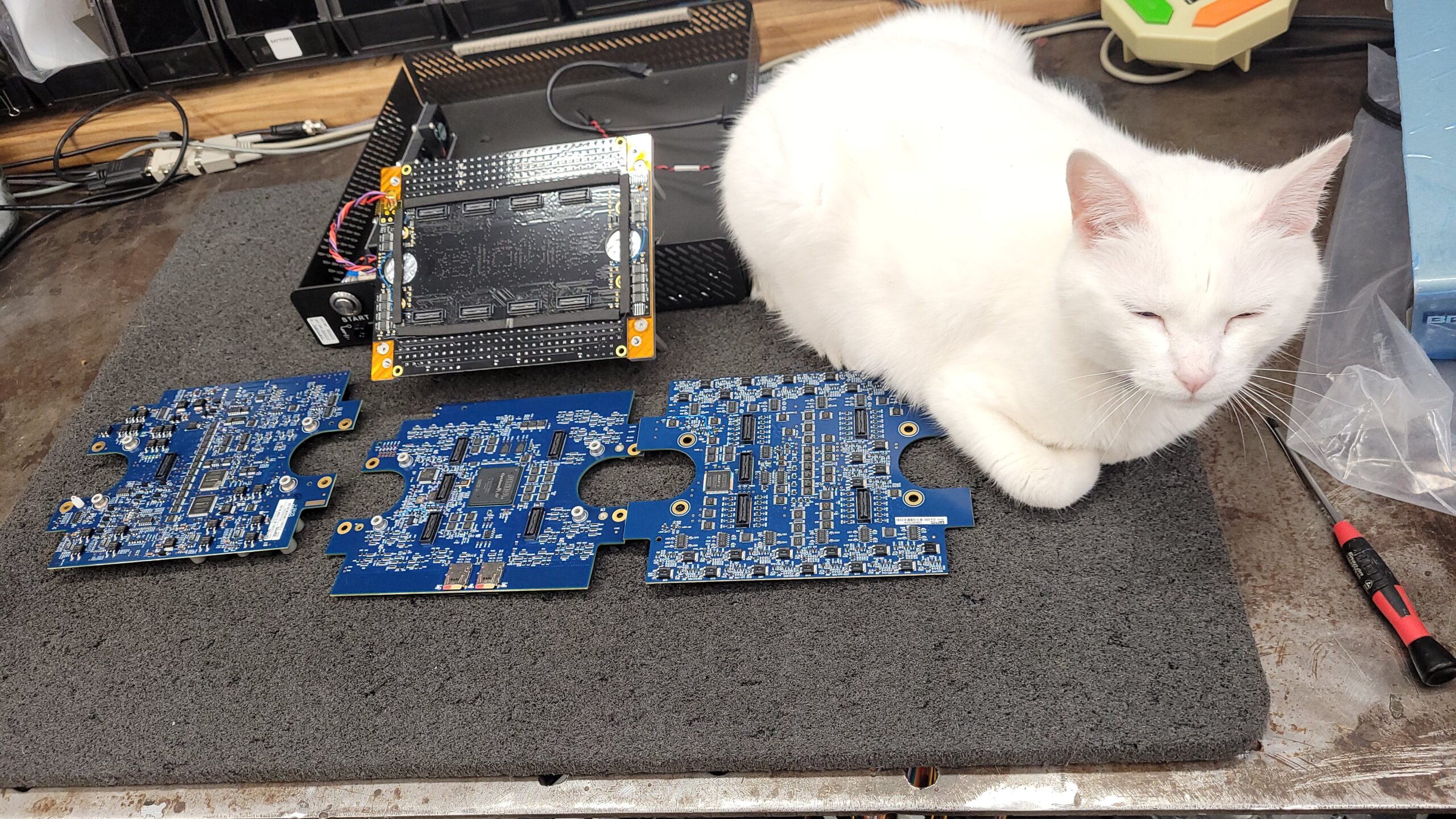
Soon.. These Take a While!! Last Updated 04/25/2026
BPM Microsystems
Right to Repair Score:
See: BPM Microssyetms FP1710
Looking For The Data I/O 2900 Post
Last Updated on April 25, 2026 by Steven Rhine